
How to Build A Homeschool Community Naturally
One of the biggest concerns people have about homeschooling is community. How will our children make friends? Will they feel connected? Will they have enough social opportunities?
What I’ve learned is that community often grows best when it grows naturally.
Not through pressure.
Not through trying to recreate school at home.
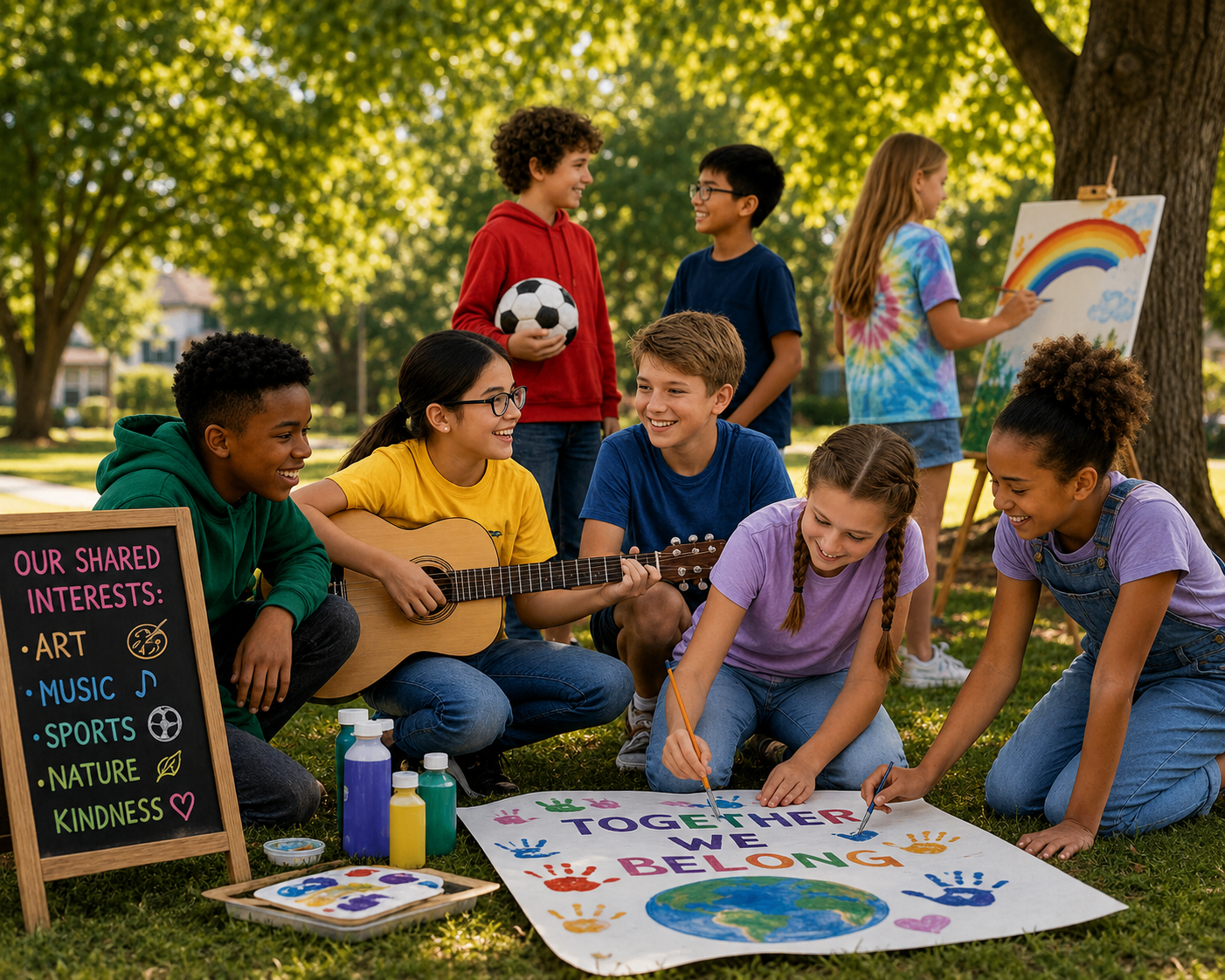
But through shared interests, consistent rhythms, and spaces where families genuinely enjoy being together.
Instead of forcing friendships, we can create opportunities for connection by building a life around the things we value and the things our children love.
Disclosure: This post contains affiliate links. If you make a purchase through these links, I may earn a small commission at no extra cost to you
Start With Interests, Not Ages
One of the beautiful things about homeschooling is that friendships don’t have to be based only on age or grade level. Kids connect deeply through shared interests.
Some of the strongest friendships we’ve seen have come from simple interest-based groups:
- Pokémon meet ups
- Doll clubs
- LEGO afternoons
- Gaming interests
- Art groups
- Science experiments
- Nature exploration
When children gather around something they already love, conversation happens naturally. They feel more comfortable because they already have common ground.
It also takes pressure off parents. You don’t have to orchestrate perfect social situations. Sometimes all you need is a park table full of Pokémon cards or a blanket covered in dolls and accessories for connection to begin.
Build Community Around Books
Book clubs can be such a meaningful way to bring families together.
Children experience stories together, then extend the experience through activities, crafts, games, or themed snacks connected to the book.
A simple picture book can turn into:
- a nature walk
- a cooking activity
- an art project
- a scavenger hunt
- a dramatic play session
We started a book club this year and we were amazed at how much the kids enjoyed the stories and recreating events from the book through drawing, play and crafts. Some of the book club books we enjoyed this year were: The Swiss Family Robinson, A Wish in the Dark, and Little Britches: Father and I were Ranchers.
Our book club planned field trips to enhance their learning. A wish in the Dark took place in a Thai inspired city so our activities involved visiting a temple, eating Thai food, and researching Thai culture. After we finished the book wherever we went together as a group the kids would act out the book and pretend they were the children from the story. They found the idea of a children’s prison riveting. Some other experiences we had were camping like the Swiss family Robinson and visiting a ranch like in the book Father and I were Ranchers.
The goal isn’t academic performance. It’s shared experience.
Books give children a common language and create memories together.
Create Consistent Gatherings
Community often grows through consistency more than elaborate planning.
A weekly sports meet up.
A standing park day.
A regular creek exploration group.
Over time, children begin to feel familiar and comfortable with one another because they see the same faces repeatedly in relaxed environments.
One of our favorite examples is nature-based meet ups.
Maybe it starts as a weekly creek day or a simple park gathering. Over time, families can rotate locations:
- different trails
- new playgrounds
- nearby nature preserves
- splash pads in summer
- hiking spots
- open fields for free play
The routine itself becomes grounding for both children and parents. Some kids make friends quickly but for others it takes time to warm up. Consistently meeting up will give you all a chance to grow genuine friendships.
Focus on the Life You Want Your Children to Know
Sometimes community grows best when we stop asking:
“What social activities should my child do?”
and instead ask:
“What kind of life do we want our children to be familiar with?”
For us, that includes things like:
- being outdoors often
- noticing seasons changing
- climbing rocks
- catching bugs
- learning how to interact with different ages
- feeling comfortable in nature
- spending unstructured time with others
When we build our weeks around the things we value, we naturally begin finding families who value similar things too.
That shared vision creates deeper connection than simply signing up for activities.
Friendships Grow Slowly — And That’s Okay
One thing homeschooling has taught me is that meaningful friendships often develop slowly and quietly.
Children may play beside each other for weeks before becoming close.
Parents may slowly move from small talk to real friendship over months of consistent meet ups.
There doesn’t have to be pressure for instant connection.
Community is often built through ordinary repeated moments:
- snacks shared at the park
- muddy shoes after creek days
- conversations on walking trails
- cheering kids on at sports meet ups
- discussing books together on picnic blankets
These simple rhythms become the foundation for belonging.
You Don’t Need a Perfect Community
Sometimes we imagine homeschool community as one perfect group that meets every need. But often community is built from many small connections.
Maybe one group is for nature exploration.
Another is for books.
Another is for sports.
Another is simply one family your kids love spending time with.
That is still community.
Homeschooling gives us the freedom to build relationships around real life, shared interests, and the values that matter most to our families. And often, when we focus less on forcing socialization and more on living fully, community begins to form naturally around us.
Discover more from Peaceful Purpose
Subscribe to get the latest posts sent to your email.


-
-
2 years
Tagged Enlightenment, family, parenting, Unschooling